What is laser resurfacing?

What is laser resurfacing?

Fractional Laser Skin Resurfacing

Laser skin resurfacing is the gold standard treatment for skin rejuvenation to reduce the visible effects of photoaging and chronological aging.  It works by vaporizing the targeted damage, stimulating the growth of healthy new skin and promoting collagen production for long-term tissue remodeling. The result is smoother, line and blemish free texture, and firmer and tighter skin.


The laser targets fine lines, wrinkles, discoloration and even precancerous lesions. It refines the skin’s surface and helps minimize signs of sun damage and aging. Plus, it stimulates collagen production from within. As your body generates new collagen, fine lines and wrinkles will smooth, and your skin will tighten which helps improve the appearance of sagging skin.


How it works


The fractional laser creates microscopic columns of thermal energy to treat only a fraction of the skin, which enables a shorter recovery. The untreated skin kick-starts the wound healing process, and new collagen while minimizing side effects and downtime.


The fractional CO2 laser is an ablative laser which means it removes the thin outer layer of skin, the epidermis, and heats the underlying skin called the dermis which is how collagen production is stimulated.


Non-ablative lasers do not treat the outer skin layer so there is virtually no downtime. Non- ablative lasers include YAG lasers, and Erbium lasers that use infrared energy. These lasers

increase collagen production with minimal discomfort, downtime and recovery.


Fractional Laser Resurfacing is an effective procedure to treat the face, neck, chest, arms and top of the hands for these conditions:

• Deep and fine lines and wrinkles

• Sun damage

• Age spots, freckles, liver spots, brown spots (lentigines)

• Blotchiness and uneven coloration

• Dullness and texture problems

• Crepey skin

• Acne scars, traumatic scars and old surgical scars

• Precancerous lesions

• Warts, moles and other benign skin growths

• Skin laxity – loose skin through the growth of new collagen

• Enlarged pores

• Upper eyelid wrinkles and crepiness and crow’s feet

• Fine lines around the mouth

• Frown lines

• Stretch marks

• It will NOT treat dilated blood vessels, rosacea, and vascular lesions including dilated blood vessels. For that you need IPL.

• For sagging skin, the treatment is a non-ablative laser for collagen production, radiofrequency or ultrasound energy, cold, heat, or surgical excision.


Am I a good candidate?


You may not be a good candidate if

• You have an autoimmune disease or weak immune system

• You have taken acne medication isotretinoin in the year before the procedure

• You tend to scar easily

• You have a darker skin tone

• You are pregnant or breast feeding.

• You smoke, as it can impact your healing and cause complications


While people with darker skin tones are not good candidates for ablative laser resurfacing; nonablative laser resurfacing is safe and effective to stimulate collagen production for tighter and smoother the skin.  They can be combined with IPL treatments to improve skin tone and texture and remove pigmentation problems, colored spots and discolorations.


The procedure


Laser skin resurfacing is an office procedure using topical anesthetic to numb the skin and reduce pain and discomfort. Minor sedation may be offered. After the procedure your face will be covered with a bandage. Pain and discomfort will be treated with pain medication for a short time. You will receive complete instructions about post procedure care.


Recovery


Posttreatment care is essential to reduce the risk of complications. Dr. Hashemi will recommend topical medications to support wound healing. The skin will scab, and peel and the new skin will be raw and uncomfortable. Wearing sun screen daily will protect the new healthy skin from damage. It can take two to three weeks for the new skin to heal completely, but it may remain red for months. As you heal and new collagen is produced the skin will tighten and smooth improving fine lines and wrinkles,


Laser skin resurfacing requires the expertise of a highly trained and experienced cosmetic surgeon. In the right hands laser skin resurfacing can dramatically improve your skin; but, in the wrong hands it can cause permanent damage and scarring. Contact Dr. Pantea Hashmi at The Sacramento Skin Clinic to schedule a consultation today.


Reveal Your Radiance: The Ultimate Guide to Chemical Peels

Reveal Your Radiance: The Ultimate Guide to Chemical Peels


Chemical Peels


Sun damage, acne, aging, and the buildup of dead skin cells cause dull skin and accentuate wrinkles, and blotchiness, making you look older than you really are! Dead skin cells clog pores and lead to pimples. Chemical peels will improve the skin’s appearance, soften fine lines and wrinkles, remove skin imperfections, exfoliate dead skin cells, encourage skin cell regeneration, and improve skin clarity, tone and texture.


Light chemical peels


Light chemical peels are noninvasive, and gently exfoliate the outer layers of dead skin, reducing the appearance of skin imperfections to reveal smooth, healthy skin. These peels stimulate production of collagen and elastin, the support structures of the skin. 


Medium chemical peels


Medium peels commonly contain glycolic or trichloracetic acid (TCH) that penetrates the outer and middle layers of the skin. These peels are anti-aging, improve the appearance of age spots, fine lines and wrinkles, freckles and skin discoloration, and they can treat actinic keratosis or precancerous skin growths. Downtime is 7-14 days.


Deep Chemical Peels


Jessner’s? + TCA Peel. This combination peel provides enhanced exfoliation. It effectively removes moderate to severe sun damage, hyperpigmentation, fine lines and wrinkles, actinic keratosis and mild acne scars. There will be moderate flaking, peeling and redness which requires 7-10 days, downtime. This peel removes the surface layers of skin, and reveals firmer, smoother skin. 


Contact Dr. Pantea Hashemi at The Sacramento Skin Clinic to schedule a consultation and discover all your options for aesthetic enhancements. 

What is IPL (Intense Pulse Light)  and How does it work?

What is IPL (Intense Pulse Light) and How does it work?


Intense Pulsed Light (IPL) Treatments


What is Intense Pulsed Light?


Intense Pulsed Light (IPL) treatment is often referred to as photorejuvenation or a photofacial. It is excellent to erase sun damage, dilated blood vessels called spider veins (red spots), irregular pigmentation and uneven skin tone and texture on the face, neck and chest, forearms and hands.


IPL is a noninvasive and nonsurgical treatment, and so gentle that it can be used in combination with other superficial treatments like chemical peels to remove dead skin cells and reveal young healthy skin. IPL treatments also smooth fine lines and wrinkles, shrink enlarged pores, and treat rosacea and melasma. IPL is not a laser.


How does it work?


Intense pulsed light penetrates the skin to heat the sub-surface layers of skin called the dermis, without damaging the top layer of skin called the epidermis. The gentle pulses of intense, optimized light target underlying pigment deposits. The hyperpigmented cells absorb the light, which breaks up the excess pigment that comes to the surface and sloughs off a few days after treatment. Additionally, the heat enhances the production of collagen, which over time fills out lines and wrinkles and roughness.


What does IPL treat?


  • Sun-induced skin changes including red pigmented lesions, spider veins, and freckles.
  • Liver spots also called age spots or lentigines found on the hands and face and other areas frequently exposed to the sun. They are common in people over age 60.
  • Melasma – hyperpigmentation on the face that appears during pregnancy or with use of oral contraceptives. It is caused by hormone changes.
  • Rosacea- facial redness, flushing and visible blood vessels. It is a chronic condition that usually begins around age 30 and flares up and remits. It is usually found on the cheeks, nose, chin and forehead.  It develops into a ruddy complexion with visible blood vessels. It is trigger by the sun, stress, hot weather, alcohol and more. The cause is not known.
  • Post inflammatory hyperpigmentation – excess pigment caused by a skin condition like acne, infection, allergic reaction, injuries and trauma.
  • Fine lines and wrinkles
  • Enlarged pores
  • Rough skin texture
  • Splotchy uneven skin tone and rough texture
  • Acne scarring and hyperpigmentation after acne
  • Acne – treats moderate to severe inflammatory acne to clear pimples and active inflammation.  The high intensity pulsed light reduces the growth of bacteria and eliminates inflammation in oil glands.
  • Unwanted hair on the face, neck, chest body
  • IPL is very versatile and can improve the appearance of many of the most common skin conditions, with little to no downtime and recovery.


The Procedure


Before treatment, a layer of cold gel is applied to numb the skin and improve comfort during the procedure. You will wear dark glasses to protect your eyes. Then, an applicator is placed on the skin and delivers the intense pulsed light to the areas to be treated. As it works, the skin absorbs the light energy and heats up causing a snapping sensation as if a rubber band is being snapped against your skin. The entire procedure can take up to 30 minutes. There may be some short-term tenderness and redness.


Most patients experience a few days of redness like a slight sun burn. Some brown spots may appear darker for a few days or look like coffee grounds that flake off within 3-5 days. You can apply makeup immediately after IPL treatment if necessary.


It is imperative that the area being treated is not tanned 2 weeks before or 2 weeks after the day of the procedure.  Afterwards, it is important to protect your skin from the sun using a sunscreen daily. You should use a gentle skin cleanser and moisturizer for about a week, and then you can resume your normal skin care routine.


During your consultation with Dr. Pantea Hashemi, she will review your medical history, examine your skin and listen to your aesthetic goals and expectations and discuss options to address your goals. Most patients see the best results after a series of 3-6 IPL treatments about one month apart. IPL is safe and effective but unsuitable for pregnant women, people on blood thinner, people who are susceptible to keloid scarring.


Contact Dr. Pantea Hashemi at The Sacramento Skin Clinic to schedule a consultation and discover all your options for aesthetic enhancements.


Lip Augmentation – What You Need To Know

Lip Augmentation – What You Need To Know


Lip Augmentation (Restylane® Kysse, Juvederm Volbella®)


Our lips are a significant portion of our overall aesthetic appearance. With age our lips become thinner, retract, lose volume and become less well-defined due to a gradual loss of collagen and elastin. The loss of elasticity creates vertical lip lines and the lips lose color. Lip movements also change with age. The smile narrows vertically and widens horizontally. 


Historically some of these changes were addressed with surgery. However, today we have hyaluronic acid (HA) fillers that are biodegradable and are formulated specifically to address aging changes including loss of volume, color and elasticity.  


Restylane Kysse with lidocaine and Juvederm Volbella XC with lidocaine are two HA fillers designed specifically for use in lip augmentation. They plump the lips to smooth wrinkles and volumize the lips.


Juvederm Volbella XC


In addition to fuller lips, lip augmentation with Juvederm Volbella XC can correct those lipstick lines that cause lipstick to bleed into the surrounding skin. This HA filler uses a special technology that creates the ability to mold the lips for a natural-looking result. Treatment results last about one year. 


Restylane Kysse


Restylane Kysse is the first lip filler designed with new technology that maintains flexible lip movements for the full range of expression. Results are rejuvenating. The treatment is proven to last up to a year. This hyaluronic acid injectable filler also diminishes upper lip lines (lipstick lines) and enhances lip texture and color. Augmentation can improve your smile too!


Lip Augmentation


The goal of treatment is to enhance and improve the natural lips and avoid overtreating that creates an artificial or unnatural appearance or changes in natural lip movements including smiling. 


Aesthetic lip augmentation is challenging and requires technical and aesthetic skill because the lips are a 3D structure including height, width, projection, angles and curvatures. 


Both of the HA fillers contain lidocaine to improve comfort during the procedure. Additionally, based on your preference Dr. Hashemi can apply topical anesthetics and or nerve blocks to reduce injection pain.


The filler is injected directly into and around the lips using very fine needles to temporarily plump the lips and smooth the vertical lip lines around the mouth. The procedure can take up to 30 minutes.


Common side effects are mild and include swelling, tenderness, temporary firmness, bruising, and redness. Bruising and swelling should resolve within a few days. Other side effects can last between a few days and two weeks. Overcorrection is easily corrected by injection of a substance called hyaluronidase, a substance that dissolves HA fillers when the product is unevenly distributed. It does not remove all of the filler. 


Your aesthetic consultation


During your consultation with Dr. Pantea Hashemi, she will review your medical history as well as any conditions that would make treatment unsafe or inappropriate. If you are pregnant, have allergies to HA or lidocaine, or inflammatory skin conditions such as rosacea, or bleeding disorders you may not be a good candidate.


Dr. Hashemi will study your facial expressions at rest and in motion and evaluate your lips and facial symmetries. She will recommend the best filler for your goals. She will take before and after photos. Before your procedure she will explain everything and provide complete post-procedure guidelines including avoiding strenuous activities, extreme cold or heat, and sun exposure for 24 hours.  


Contact Dr. Hashemi at Sacramento Skin Clinic to schedule a consultation.

What is Vampire Facial?

What is Vampire Facial?

Microneedling with Platelet-Rich Plasma (PRP) (Vampire Facial®)


What is a Vampire Facial?


A Vampire Facial is the name for a medical procedure that combines microneedling with PRP for skin rejuvenation using your own blood. The result is radiant skin, and increased firmness and volume that naturally sculpts the face creating a more youthful appearance. A vampire facial is a natural way to smooth and tighten your skin for total renewal, restoring shape, tone and texture; and youthful radiance to your complexion. Improvements continue for about 3 months and results lasts about 15 months. 


What is Microneedling?


Microneedling is collagen induction therapy, a skin rejuvenating procedure. Tiny sterile needles are used to create microchannels in the skin to deliver Platelet Rich Plasma, and other treatment substances such as hyaluronic acid, deep into the sublayers of skin. 


The controlled injury to the skin initiates the body’s natural wound healing cascade which ignites self-repair mechanisms to release growth factors for skin renewal and to stimulate production of new collagen and elastin. 


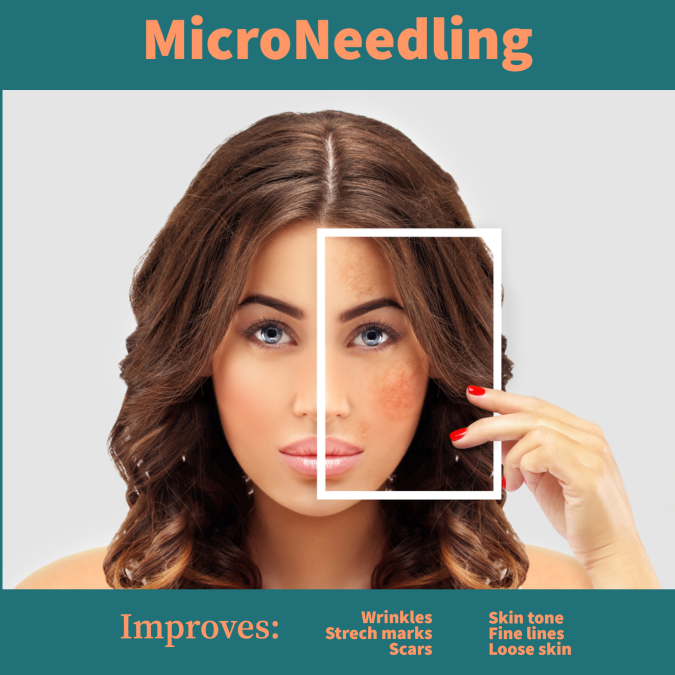
Microneedling addresses many skin concerns including wrinkles, acne scars, fine lines, oiliness, stretch marks, skin tone and texture. It can tighten the skin and remodel acne scars, stretch marks and enlarged pores; smooth wrinkles around the eyes and mouth, and erase sun damage. The effects begin immediately and improve for up to six months after treatment.  


Why is collagen induction important?


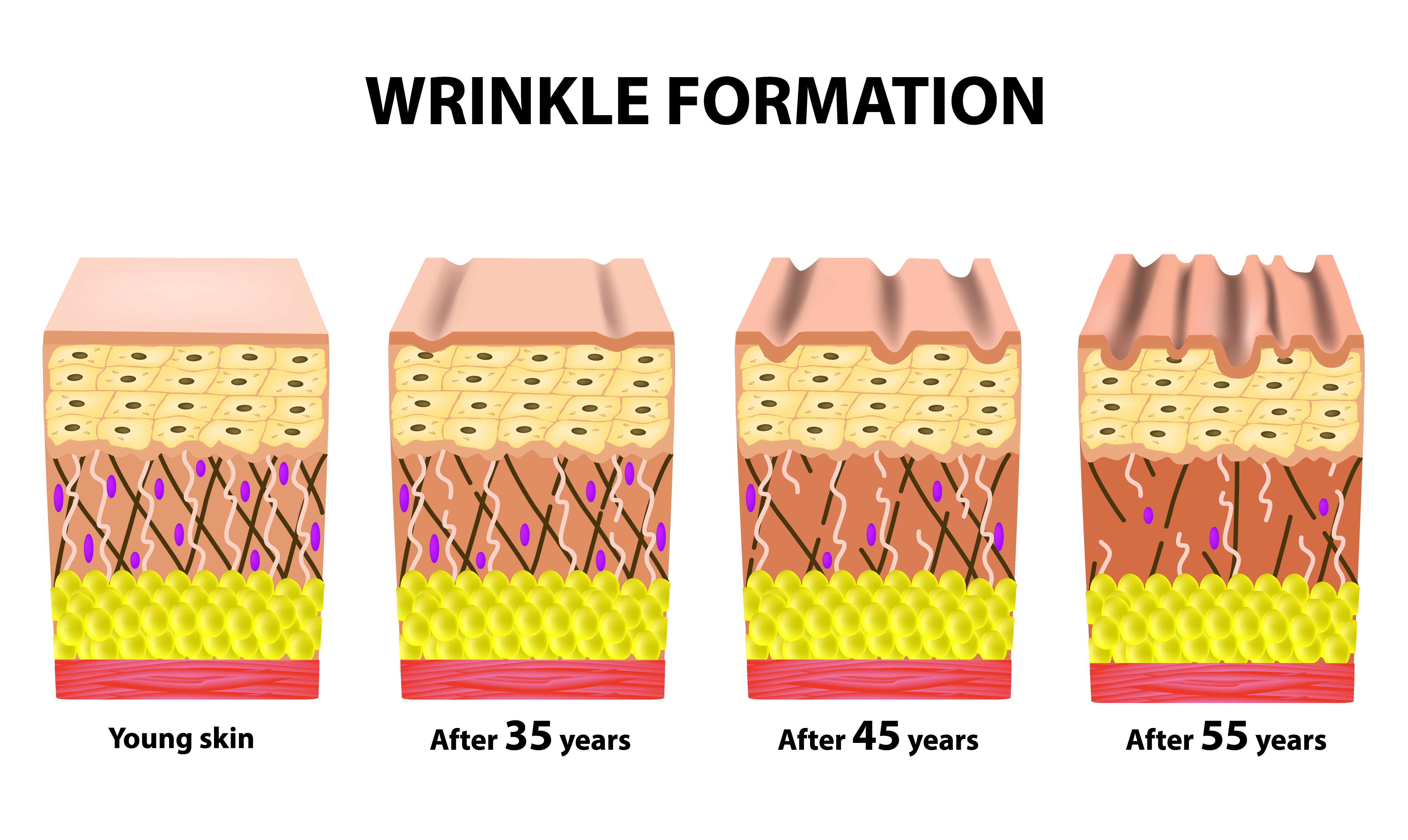
Collagen is a structural protein that gives the skin strength, shape and contours. After age 20, we lose 1% of collagen in our skin each year as a natural consequence of aging.  UV radiation from the sun deteriorates collagen faster than aging. The combination of age and sun exposure breaks down collagen which weakens the skin, causes it to thin, wrinkle and sag, and makes it more susceptible to damage. Restoring lost collagen and elastin provides firmer and tighter skin.


What is Platelet Rich Plasma (PRP)?


Platelets are a natural a reservoir of growth factors and enzymes that recruit stem cells to the microinjuries created by microneedling to repair damaged tissues. The concentrated platelets and growth factors stimulate healing and the growth of healthy new cells. PRP harnesses the body’s own natural healing processes to reverse the signs of skin aging. 


How is PRP made?


PRP is a natural product prepared from your own blood (Autologous).  A small amount of your blood is drawn and prepared in a lab where the platelets are isolated from other blood components and concentrated, leaving only the enriched PRP. After microneedling, the PRP is washed over the skin and is absorbed into the microchannels.  


When used for facial rejuvenation, PRP helps reduce lines, wrinkles and scars, and improves the appearance of aging skin. PRP promotes tissue remodeling to increase skin elasticity and collagen growth. PRP can smooth the skin’s texture, and firm the skin. PRP is safe and effective for skin rejuvenation. 


Your Consultation


Dr. Pantea Hashemi is a board-certified dermatologist in Sacramento California. She is a Castle Connolly Top Doctor and specializes in skin cancer, and cosmetic and laser surgery. Dr. Hashemi is also an expert aesthetic injector of dermal fillers and neurotoxins. She has the eye of an artist and the professional skills of an expert. Contact her at The Sacramento Skin Clinic to schedule a consultation and learn about all youth enhancing services she offers.

Schedule a consultation and discover your inner potential for a perfect smile.

What are the different types of dermal fillers?

What are the different types of dermal fillers?

Dermal Fillers (Juvederm, Radiesse, Restylane, RHA)


The best dermal fillers integrate into the tissues and are undetectable when the face is at rest and when movement.  


The Juvederm® Family of Fillers


The Juvederm family of fillers is designed to temporarily reduce the appearance of aging by diminishing the look wrinkles and creases and provides smooth and natural results. It plumps and softens deep folds and wrinkles, moderate to severe wrinkles around the mouth, nasolabial folds (vertical lines that run from the corners of the nose to the mouth), fills vertical lip lines, and corrects marionette lines that run from the corners of the mouth to the chin. 


Hyaluronic acid is made in the body, but as we age and with harmful UV sun exposure, the supply diminishes contributing to facial aging. Results are smooth and natural in look and feel. Juvederm is a family of formulations of HA based on the intensity needed.


Juvederm treatment restores volume lost due to aging by adding back hyaluronic acid (HA), a key component of the skin that binds to water to hydrate the skin. 


Augmenting HA supports skin’s structure by stimulating collagen and elastin to rebuild facial volume, smooth fine lines and wrinkles to renew a youthful appearance. 


New collagen and elastin aid in reducing deep lines and creases from the inside out.  As new collagen forms, the filler begins to breakdown, thus providing a more lasting rejuvenation than other types of fillers.  


With age we lose volume which leads to sagging skin, fine lines, wrinkles and folds. Injectable HA adds back lost volume to smooth lines and wrinkles and restore structure to the skin reducing cheek depressions, smile lines, brow furrows, marionette lines, to add fullness to redefine the lips and to treat vertical lip lines.  Use can improve the appearance of undereye hollows and acne scars. Results can last up to a year depending on the areas treated and your metabolism.


Radiesse


RADIESSE® is a dual action dermal filler that adds volume to the face to diminish facial wrinkles and folds and stimulates your own collage to grow. Radiesse can fill out the hollows in cheeks and smooth wrinkles. It is a gel that contains microspheres of Calcium Hydroxylapatite (CaHA) in a gel base.  It is biostimulatory, meaning once injected, it provides immediate volume and correction and stimulates the production of your own natural collagen. Over time, the gel is absorbed, and the body metabolizes the CaHA microspheres leaving behind only your own natural collagen.


It contains lidocaine to significantly reduce injection pain. It is clinically proven to last a year or more. Radiesse is an excellent option to plump your skin for immediate smoothing results and a long-lasting natural look. 


Restylane


Similar to Juvederm, the Restylane family of fillers areused to add volume and fullness to correct moderate to severe wrinkles and folds, and it is the only product FDA approved for lip enhancement.  Restylane is a clear gel of hyaluronic acid formulated to act like your body’s naturally produced hyaluronic acid, adding volume, lifting and smoothing wrinkles. It can last up to six months, but some patients experience effects lasting for up to a year.


While Restylane and Juvederm are both hyaluronic acid products, and can be used to treat similar conditions, Dr. Hashemi may have preferences based on experience. After evaluating your skin and goals she will recommend the best choice for you. 


The RHA® family of fillers by Revance Theraputics


The RHA family of dermal fillers is made using the most advanced HA science that mimics the HA naturally produced in the skin. Because it moves and acts like our tissues, it is perfect to treat dynamic wrinkles and deliver very natural results. They are the first HA fillers created to treat dynamic wrinkles without concern for unnatural results. RHA fillers are designed to adapt to facial movements and do not limit mobility which leads to the most natural looking results. 


Dynamic wrinkles are created from repetitive facial movements that express how we feel. Over the years, facial expressions such as frowning, squinting, brow furrows, and crow’s feet crease the skin and are classic signs of skin damage and aging.


Until RHA fillers, Botox or other neuromodulators were the only option to treat dynamic wrinkles.  RHA fillers can reduce the appearance of the common nasolabial folds and deeper lines around the mouth and lower face created by laughing and smiling; forehead furrows called glabellar lines; and lipstick lines around the mouth caused by aging and smoking. 


But RHA fillers can also treat static wrinkles that result due to lost collagen and elastin. Photoaging destroys collagen and elastin and as we age the body’s production of these fundamental structural substances diminishes. RHA fillers can add back lost volume.


RHA fillers are a significant advancement proven to last up to 15 months as the resilient HA adapts to your facial movements, and its unique formulation slows the metabolism of HA so the fillers last longer than other HA fillers.


Your Consultation


During your consultation with Dr. Hashemi listen to your concerns and expectations. To achieve safe and aesthetically pleasing results it is critical for Dr. Hashemi to perform a thorough assessment of your face. She will evaluate your facial features including how your chin length and projection should be in balance with your lips and nose. 

 Based on her solid understanding of the essential anatomy, the effects of aging, and the proper injection techniques to achieve optimal outcomes; risks and complications, she will make recommendations on how to achieve your goals.

Schedule a consultation and discover your inner potential for a perfect smile.